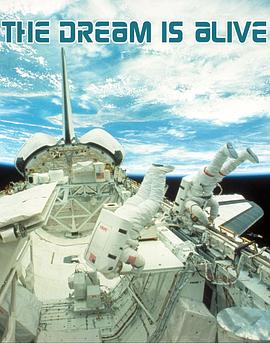
《执着的梦想》是一部关于早期航天飞机的纪录片。这部纪录片里面再现了航天飞机的发射、着陆过程以及宇航员的太空生活。片中最令人瞩目的片段不但有从太空拍摄的地球全景,还有宇航员们,尤其是美国第一个女宇航员太空行走的特写。 当我们回顾所有那些电影和DVD中有关人类探索太空的情节时,通常我们会想到什么?奋斗。航天计划从一开始就是无止境的冲突和混乱、试验和挫折、多灾多难和百折不挠。在乐观的背后总能看到巨大的困难,在胜利的光环下则是成千上万的意外。而这部《执着的梦想》不同。在这里,我们会对离地飞天而肃然起敬,会为从太空中观看地球之美而心跳停止,会为宇航员们的日常生活而兴味盎然。《执着的梦想》,就是这样一部珍贵的DVD,它想告诉你的就是:“嘿,怎么样,太空漫游很酷吧?” 这部IMAX电影发行于1985年,当时阿波罗计划已经过去很久。NASA面对的局面是公众普遍对航天计划漠不关心。拍这部片子仿佛就是想说:“航天非常好玩——请大家看过来,关心我们的工作。”很快所有的媒体就把目光都投向了他们,因为在1986年1月28日,发生了挑战者号爆炸事件,航天事业一下子又成了全世界的焦点。 经过了16年之后,华纳公司终于把《执着的梦想》从大银幕搬到了DVD上。与其一起发行的还有IMAX的其他一些电影。对《执着的梦想》这部老片来说,表现效果已经非常杰出了,其内容也仍然引人入胜。尽管基本上没有任何花絮,这部DVD还是非常抵买的。
在青藏高原的高处,那些未被开发和难以到达的山谷里,隐匿着野生动物世界的最后一个圣地,那里生活着许多未被发现的稀有动物群。世界著名野生动物摄影师文森特·穆尼尔带着身为探险者的小说家西尔文·泰森(《西伯利亚的森林》作者)一起执行他的最新任务。在几周时间内,他们将探索这些山谷,寻找珍稀动物,并试图发现其中最稀有也是最难接近的大型猫科动物“雪豹”的秘密。
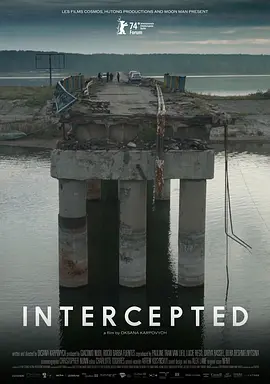
战争对乌克兰造成的破坏通过长时间的画面展示出来。被拦截的俄罗斯士兵与其家人之间的电话交谈构建了一个令人震惊的平行世界。声音与图像相互对峙,令人震惊。
杰克·拉德马赫与他在伊拉克服役期间的兄弟和战友重聚,展现了他对战争影响以及从现役战士到退伍军人转变的独特见解。
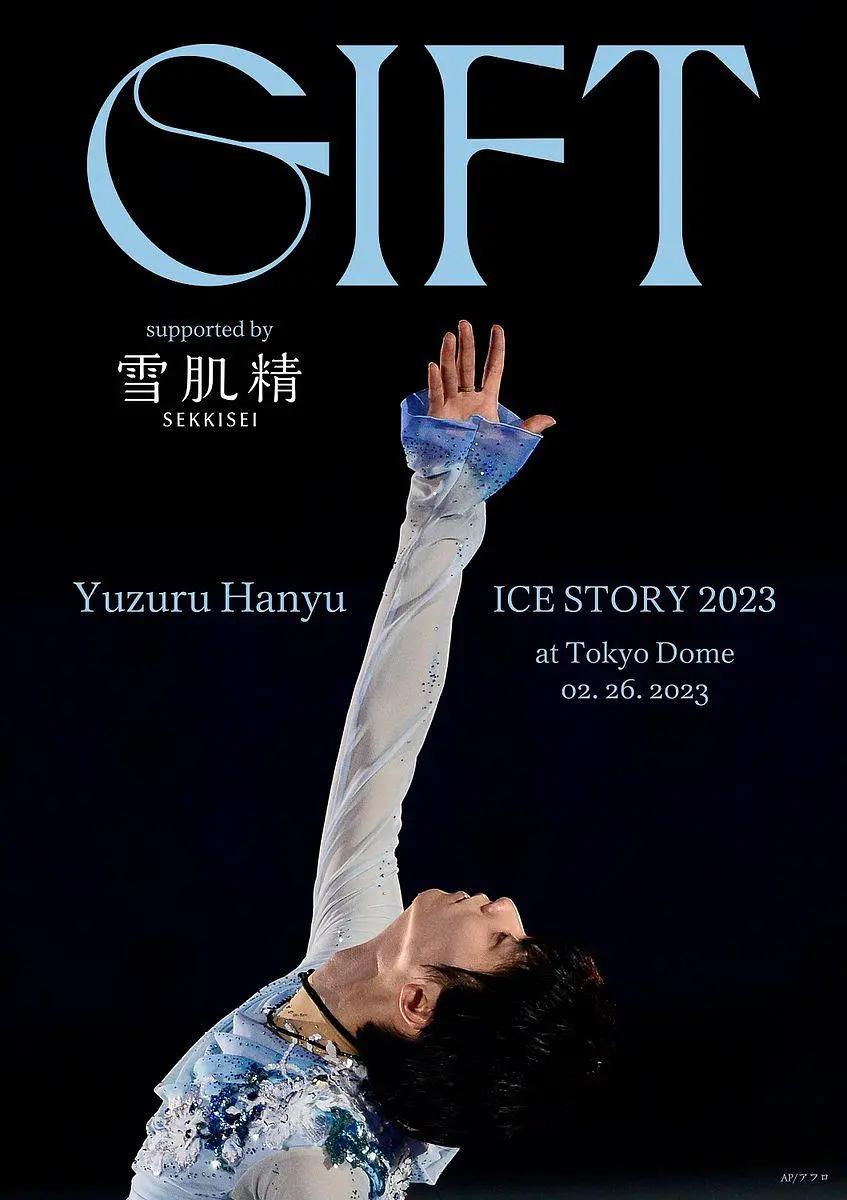
羽生结弦首次在东京巨蛋冰上表演,即使离开竞技场,仍然在属于自己的舞台发光发热。羽生结弦与东京爱乐交响乐团共谱世界级表演,顶尖的技术、优美的音乐、华丽的灯光同视觉效果,冲击观众感官嘅极致视听盛宴。收录长达150分钟的演出,更独家公开30分钟从未曝光的幕后花絮。
It centers on Kris Bowers and Dahi as they venture out on a musical journey across the U.S. experimenting to reimagine the National Anthem.
本节目是陈晓卿导演从摄影机背后走到镜头前,用自己的视角,寻访美食,并探讨食物背后的故事。在本节目中,陈晓卿前往中国八个不同的地区,他和不同的向导一起,完成自己的风味探索之旅。向导中,有陈晓卿的老朋友,也有新相识。他们背景身份各异,有哲学家、考古学者、人类学家、 音乐人、职业厨师、经济学家、作家等。陈晓卿用食物把更多的人聚集在一起,他认为,“美食不仅是美味,更是一种粘合剂,能让人有更多的理解和沟通”。
一个梦幻般的档案,在与过去和现在的对话中,通过挖掘她表妹和最好的朋友共同的亲密和诗意的记忆,来重新想象拉塔莎哈林斯更微妙的叙述。
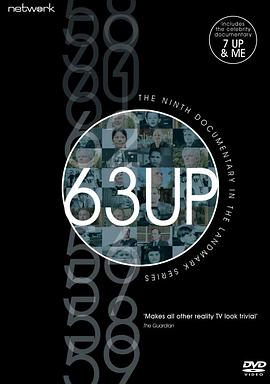
迈克尔·艾普特从1964年开始拍摄纪录片系列的第一部,采访来自英国不同阶层的十四个七岁的小孩子,他们有的来自孤儿院,有的是上层社会的小孩。此后每隔七年,艾普特都会重新采访当年的这些孩子,倾听他们的梦想,畅谈他们的生活。四十九岁知天命,看尽岁月流逝,看穿沧海桑田。本片综合 了被访者七岁、十四岁、二十一岁、二十八岁、三十五岁、四十二岁、四十九岁及五十六岁多年的访问精华。 《人生七年》荣获2006年英国电影学院奖和金卫星奖提名。
The Power of Emotion explains that emotion isn't to be confused with sentimentality. Emotion is ancient and more powerful than any art form. The film looks at young couples who run into difficulties as they try to translate their experiences of love into clear decision-making. A woman who has shot her husband provides a judge with a puzzle. Those who love can bring the dead back to life by means of co-operation. That's the focus of the opera, "The Power Plant of Emotions" and the "Opera of the 20th Century" cinema. Alexander Kluge: The Power of Feeling When I started working on The Power of Feeling, I was not in a rational state. I did not say, I have a subject and now I will make a film about it. Instead I was spellbound and observed in my direct surroundings, for example, how feelings move. I have not really dealt with the theme of my mother's death and the fact that she was the one who taught me "how feelings move." Nor have I dealt with how she died. That was an entire palette of feelings: "All feelings believe in a happy end," and everyone believes tacitly that they will live forever: The entire palette is somehow optimistic, a positive attitude towards life having been put on the agendaas long as she was young, as long as her body held out, from one day to the next she collapsed. She just suddenly collapsed, like in an opera where disaster takes the stage in the fifth act. It felt as if I had observed an air raid or a disaster. The film The Power of Feeling is not about feelings, but rather their organization: how they can be organized by chance, through outside factors, murder, destiny; how they are organized, how they encounter the fortune they are seeking.What is all this organization of feelings about? Generally feelings tend to be a dictatorship. It is a dictatorship of the moment. The strong feeling I am having right now suppresses the others. For thoughts this would not be the case. One thought attracts others like a magnet. People therefore need affirmation by other people to be sure about their own feelings (to counteract the acquisition of their feelings through outside forces). Through the interaction of many people, for example, in public, the various feelings also have a magnetic attraction to one another just like thoughts do. Feelings communicate through their manifestation in public. The cinema is the public seat of feelings in the 20th century. The organization is set up thusly: Even sad feelings have a happy outcome in the cinema. It is about finding comfort: In the 19th century the opera house was the home to feelings. An overwhelming majority of operas had a tragic end. You observed a victim. I am convinced that there is a more adventuresome combination: Feelings in both the opera and traditional cinema are powerless in the face of destiny's might. In the 20th century feelings barricaded themselves behind this comfort, in the 19th century they entrenched themselves in the validity of the lethal seriousness.
這套引人入勝的歷史系列,保證帶大家以最近距離,審視這個改變二次大戰軌跡的重要日子——還有當年所失去的船艦與生命。為了還原當中的複雜過程,每集我們都分別探討時間軸上的關鍵要點,以求重構這場改變世界的重大事件,亦更深入了解當年日軍突襲背後的驚人故事。 1. Secrecy and Surprise 2. 30 Mins of Hell 3. Declaration of War